
Clue Cards teaches students how to interpret social situations, read facial expressions, and understand metaphorical forms of speech. This week, you can save 15%* on Clue Cards – just enter promo code CLUECARDS when you check out online! Play 5 different games to teach inferencing, faces and feelings, body language, exploring Wh- questions, and a variety of common idioms!

Therapists, teachers and parents can uses the cards and games included in this set to help students perceive and understand the details of social presentation. Because the cards are flexible and adaptable, they can be used with both younger and older children, with mild or sever socioemotional difficulties. There are instructions for 5 different games along with 100 reward chips, targeted for players ages 6–16.
- Get a Clue: Players find “clues” in social situations and make inferences based on those clues (15 Social Situation Cards).
- Faces and Feelings: Link expressions with associated emotions (20 Feeling Cards, 20 Faces Cards).
- Body Language: Matching photos and captions, children explore body language for clues about thoughts and feelings (24 Photo Cards, 24 Caption Cards).
- The 5 W’s: Analyze 10 social scenes by asking “who-what-where-when-why” questions (10 Social Scene Cards, 1 Spinner).
- In Other Words: Learn the idioms and proverbs that often pop up in social conversation (30 Idiom Cards, 30 Idiom Definition Cards, 26 Proverb Cards, 26 Proverb Definition Cards).
*Offer lasts through March 1, 2016 at 11:59 PM EST. Be sure there are no spaces or dashes in your code CLUECARDS at check-out! Not valid on past purchases.
 overing 6 different topics –
  There are 8 cardboard crayon-shaped tubes with plastic lids. Use the manipulatives for teaching patterning, counting, color identification, 2-D to 3-D matching, and language development to young learners. The best part is that the crayons serve as built-in storage so cleanup is a cinch!
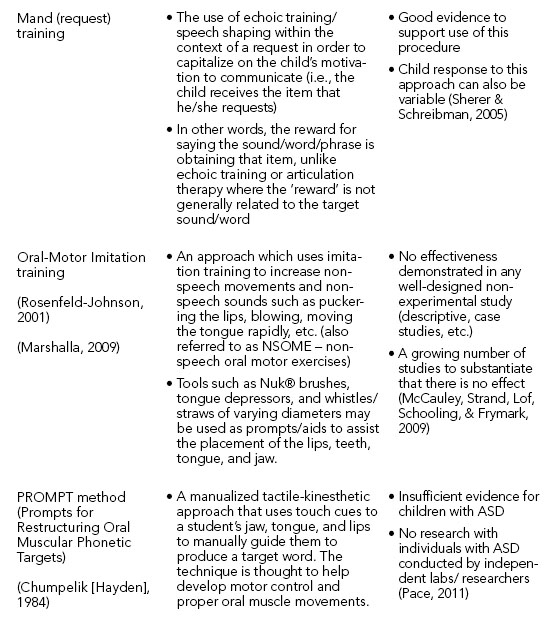
 Approximately 30–50% of individuals with autism spectrum disorder (ASD) remain minimally verbal throughout their lives, with little or no functional speech (National Institutes of Health & National Institute on Deafness and Other Communication Disorders, 2010; Johnson, 2004; Mirenda, 2003). These individuals may rely on more effortful modes of communication such as reaching for desired items, taking another’s hand to gain access, or obtaining the item independent of communication. Attempts to communicate may also take the form of challenging behaviours such as aggression, self-injury, and tantrums.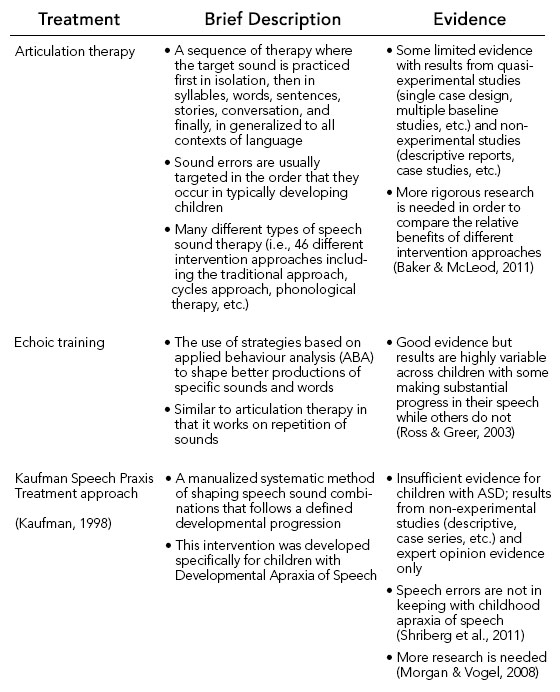


 Listen to short, silly stories like “Aunt Pat’s Hat,” “Hannah’s Bananas,” or “Ollie the Octopus,” and then answer questions about each story. These 51 illustrated cards provide a novel and engaging approach to improving your students’ auditory memory skills. This week, save 15%* when you order


 Who works here? Why might they be laughing? When do you eat at the table? Use this set of 36 Wh- Question ColorCards and unlock opportunities to discover, understand, and practice Wh-questions. This week only, take 15%* off your set of the
  The ColorCards feature vivid photos of scenarios that allow for multiple opportunities to develop this key skill. These cards can be used in group or one-to-one settings, and come with a booklet with sample Wh- questions to ask for each of the images depicted.
