
Autism symptoms can display in babies as young as 6 months old. A new pilot study at the UC Davis MIND Institute found that parents could reduce symptoms of autism in babies under 12 months by using intervention treatments in the home as detailed in the Early Denver Start Model.
As reported in a recent Huffington Post article, the study involved parents and their babies between 7 and 15 months of age in a 12 week-long treatment conducted by parents in home-like environments. The treatment was based on the Early Denver Start Model and revolved around parent-child interactions, such as bathing, feeding, playing, and reading. Four comparison groups were also included: Those who were at a higher risk for autism because of an affected sibling; those who were at low risk; those who had developed autism by age 3; and those with early symptoms who received treatment at a later age.
At the start of the study, all babies displayed early signs of autism, such as low interest in interactions and repetitive behaviors, which increased by around 9 months. However, by 18 to 36 months of age, the children in the treatment group produced lower autism severity scores than the comparison groups who did not go through the treatment.
The Huffington Post article “Pilot Intervention Eliminates Autism Symptoms In Babies” highlights the importance of early intervention in autism treatment. While this research is highly preliminary, the findings show that therapy and early intervention are key factors in treating infants and children with early signs of autism, and possibly in reducing them altogether. This study offers hope for parents and professionals in helping their children succeed with more tools and resources for the earliest stages of autism.
Read more about the pilot study on Huffington Post here.





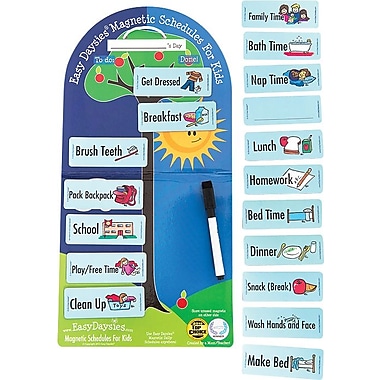



 While an ABA professional should be coming in to organize and run your ABA program, as a parent or guardian, there are some simple things you can do to make the time your child spends in a home session more effective. Several tips are here, but it may be unrealistic for you to follow ALL of these tips. Consider your home environment and family’s needs, then implement the tips that are the most feasible for your situation.
