This week, we’re honored to feature an article by Edward Fenske, MAT, EdS, the former executive director of the Princeton Child Development Institute, who shares his critique on the U.S. Departments of Health and Human Services and Education’s joint statement on inclusive education for all children with disabilities. Ed’s extensive experience in delivering intervention to children with autism, support services to their families, and training and supervision to professional staff spans 39 years. His published works address home programming, language development, and early intervention.
Is Inclusive Education Right for My Child with Disabilities?
by Edward Fenske, MAT, EdS
Princeton Child Development Institute
On September 14, 2015 the U.S. Department of Health and Human Services and the U.S. Department of Education issued a joint policy statement recommending inclusive education for all children with disabilities begin during early childhood and continue into schools, places of employment, and the broader community. The policy includes numerous assertions about the educational benefits and legal foundation of inclusion and a lengthy list of supporting evidence. This paper examines some of these assertions, the supporting evidence, and comments on the departments’ recommendation.
Assertion: Children with disabilities, including those with the most significant disabilities and the highest needs, can make significant developmental and learning progress in inclusive settings.
Supporting Evidence: Green, Terry, & Gallagher (2014). This study compared the acquisition of literacy skills by 77 pre-school students with disabilities in inclusive classrooms with 77 non-disabled classmates. Skill acquisition was assessed using pre/post intervention scores on the Peabody Picture Vocabulary Test, Third Edition (Dunn & Dunn, 1997) and the Phonological Awareness Literacy Screening Prekindergarten (Invernizzi, Sullivan, Meier, & Swank, 2004). The results found that children with disabilities made significant gains that mirrored the progress of their typical classmates, although the achievement gap between the two groups remained. Participants had a variety of diagnoses (e.g., developmental delays, autism, pervasive developmental disorder-not otherwise specified, speech and language impairments, cognitive impairments, and Down syndrome). There were several requirements for participation in this study that would appear to severely limit conclusions. Participants with disabilities were functioning at social, cognitive, behavioral and linguistic levels to the extent that their Individual Education Program (IEP) teams recommended participation in language and literacy instruction in the general education classroom with typical peers-an indication that these skills were considered prerequisite to meaningful inclusion.
A further restriction for participation was that only data from children who were able to complete the tasks according to standardized administrative format were included in the study. It is therefore unclear whether all students with disabilities in these inclusive preschool classes made significant developmental and learning progress. The authors suggest that had the lower achieving students received explicit, small group or individual instruction, the achievement gap between typically developing students and children with disabilities may have been narrowed. We can therefore conclude that regular instruction provided in the inclusive preschool classes in this study was not sufficient for all students with disabilities. Furthermore, because the results were not separated by disability, it is not possible to determine whether there was a significant difference in learning across disabilities.
Assertion: Some studies have shown that children with disabilities who were in inclusive settings experienced greater cognitive and communication development than children with disabilities who were in separate settings, with this being particularly apparent among children with more significant disabilities.
Supporting Evidence: Rafferty, Piscitelli, & Boettcher (2003). This study described the progress in acquiring language skills and social competency of 96 preschoolers with disabilities attending a community-based program. Sixty-eight participants received instruction in inclusive classes and 28 attended segregated special education classes. Progress was assessed using pretest and posttest scores from the Preschool Language Scale-3 (Zimmerman, Steiner, & Pond, 1992) and the Social Skills Rating System (SSRS)–Teacher Version (Gresham & Elliott, 1990). Level of disability (i.e., “severely disabled” or “not severe”) was determined by scores on the Wechsler Preschool and Primary Scale of Intelligence (WPPSI-R), but the authors did not provide any information about the participants’ specific clinical diagnoses. Posttest scores were comparable for “not severe” students in both class types. Children with “severe” disabilities in inclusive classes had higher posttest scores in language development and social skills than their peers in segregated classes, but had higher rates of problem behavior. The extent to which problem behavior interfered with learning for both typical children and those with disabilities was not addressed. Problem behavior, such as tantrums, aggression, stereotypy, self-injury, property destruction and defiance; is displayed by some children with disabilities. These behaviors have very different implications for preschool-aged children than for older children. In this writer’s experience, severe problem behavior is extremely resistant to change when not successfully treated during preschool years and may ultimately result in more restrictive academic, vocational and residential placement during adolescence and adulthood. The significance of any academic gains by children with disabilities in inclusive settings should be carefully weighed against the long-term implications of unchecked maladaptive behavior.
 Check out this



 You can download the free printable by clicking
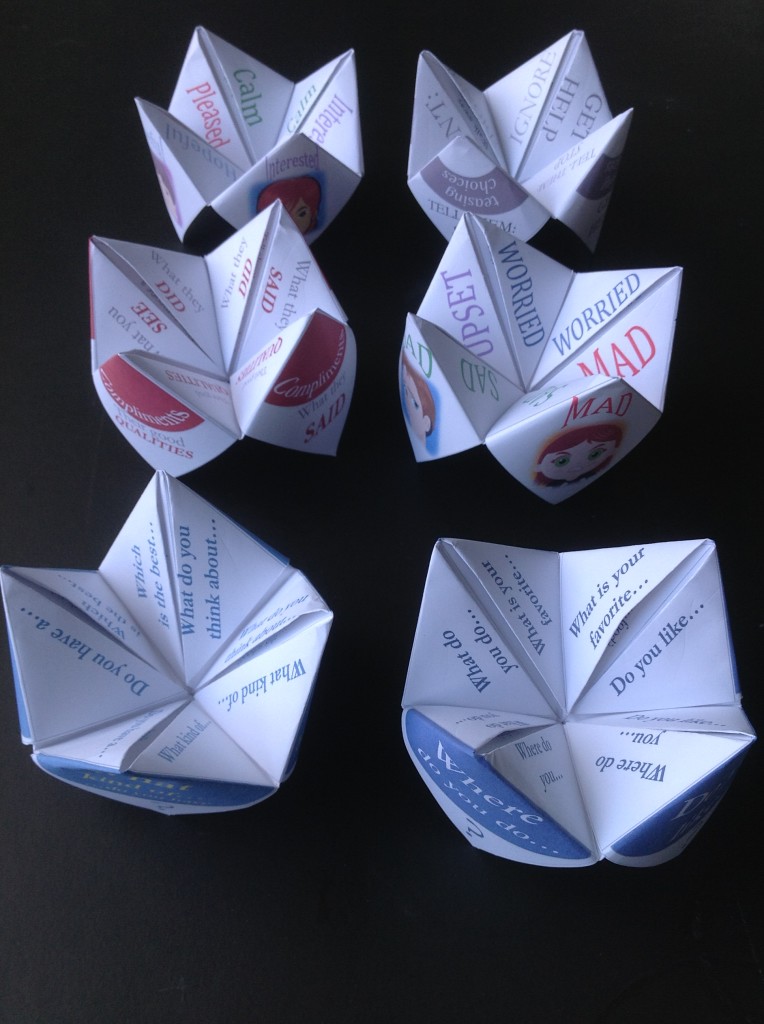 While these fortune tellers may not be able to tell your future, they are sure to help your children with autism develop their social skills! This free printable, created by Joel Shaul from
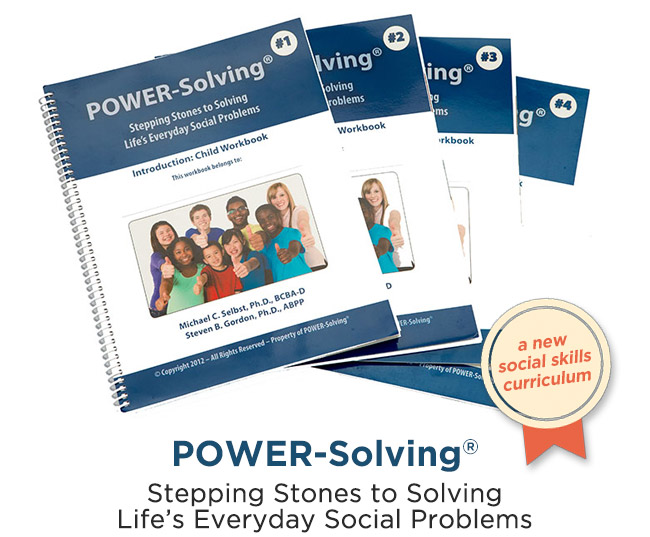
 We offer class kits including 5 or 10 sets of Student Workbooks and Facilitator Guides to accommodate larger groups.
 Each Student Workbook Set and Facilitator’s Guide Set covers 4 areas of everyday social situations:
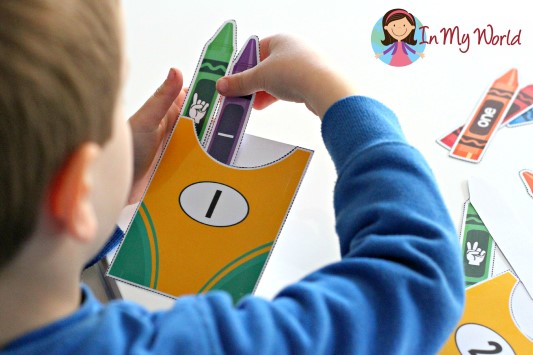 Get creative with this free number sorting activity designed by Lavinia Pop from
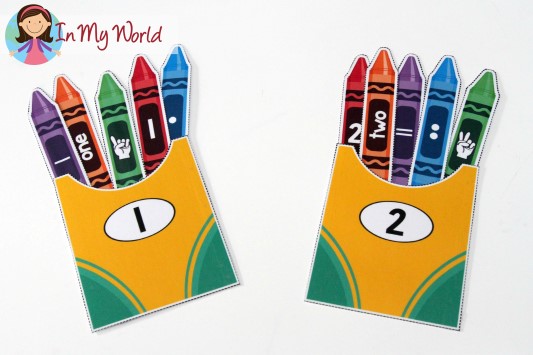 We recommend printing the activity on cardstock or laminating the crayons and pockets for longer use.
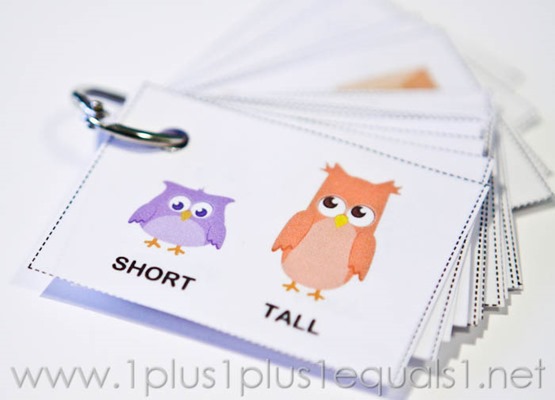
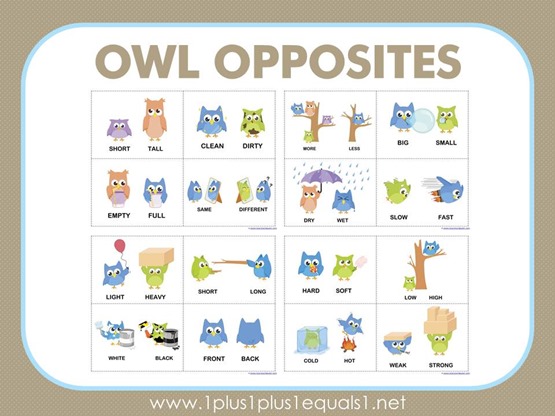 The entire set features an adorable pair of owl friends who demonstrate the following sixteen different opposites:
 Social Information Processing (SIP) is a widely studied framework for understanding why some children and adolescents have difficulty getting along with their peers and adults.
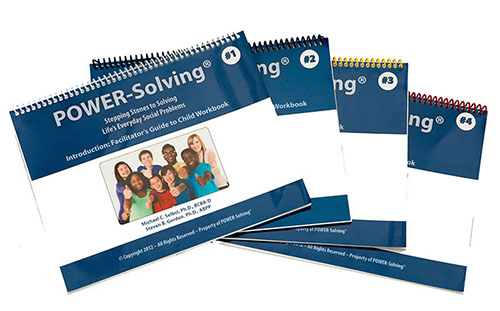 The
 Steven B. Gordon, PhD, ABPP is the Founder and Executive Director of Behavior Therapy Associates, P.A. He is a clinical psychologist and is licensed in New Jersey. Dr. Gordon is also Board Certified in Cognitive and Behavioral Psychology by the American Board of Professional Psychology and is a Diplomate in Behavior Therapy from the American Board of Behavioral Psychology. Dr. Gordon has co-authored three books, published numerous articles, presented papers at local and national conferences, and served on editorial boards of professional journals. Most recently, Dr. Gordon and Dr. Selbst have co-authored the new social-emotional skills program
 Michael C. Selbst, PhD, BCBA-D is Director of Behavior Therapy Associates, P.A. He is a Licensed Psychologist and a Certified School Psychologist in New Jersey and Pennsylvania. He is also a Board Certified Behavior Analyst at the Doctoral level. Dr. Selbst has co-founded and is the Executive Director of HI-STEP® Summer Program, which is an intensive five-week day program for children to improve their social skills and problem solving ability, and the Director of the Weekend to Improve Social Effectiveness (W.I.S.E.). He has extensive experience working with pre-school aged children through adults, including individuals who have social skills deficits, emotional and behavioral difficulties, learning disabilities, gifted, and children with developmental delays, including those with Autism and Asperger’s Syndrome. Dr. Selbst consults to numerous public and private schools, assisting parents, teachers, and mental health professionals, and presents workshops on all topics highlighted above, as well as Parenting Strategies, Depression, and Suicide Prevention. Dr. Selbst and Dr. Gordon have co-authored the new social-emotional skills program